
Caging Animals Won’t Save Them
Caging animals won’t save them
By Jason Baker
Remember baby polar bear Knut? Just a few years ago, the orphaned white ball of fluff captured the attention of the world. But the distressed cub had a convulsion, collapsed, and died as hundreds of visitors watched. Even as he died, he was on display and exploited for profit.
And now pygmy hippo Moo Deng has captured hearts, but like Knut, she will spend every day of her life behind bars. Marketed as the poster child for paying customers’ idea of “adorable”, she’s besieged by onlookers. They’re able to throw things at her, and she seems to be constantly harassed by her “caretaker”, whose main focus appears to be getting content for the zoo’s social media posts. The distressed hippo bit the handler, but her plea to be left alone was ignored.
Keeping Moo Deng in captivity does nothing whatsoever to bolster imperilled populations of pygmy hippos in the wild.
Placing captive-bred animals in their species’ natural homes is difficult and costly, and most zoos don’t even attempt it. Most programs to reintroduce captive-bred animals to the wild have failed, and no captive-bred endangered big carnivores (such as tigers, lions, or leopards) have ever been released into the wild.
Zoos don’t breed animals with the intent of replenishing threatened populations: babies like Moo Deng entice paying visitors through the gates, and breeding animals in captivity gives the public a false sense of security about a species’ survival. A study published in the Journal of Applied Ecology concluded that protecting animals in the wild – not breeding them in captivity – is the best way to support their population growth. The project’s lead researcher was unequivocal in saying, “Without conservation in the wild there is no point in captive breeding.”
The Khao Kheow Open Zoo’s accreditation from the World Association of Zoos and Aquariums (WAZA) is meaningless. WAZA members include notoriously disreputable zoos and marine parks that confine animals in cramped enclosures and force them to perform tricks. Ocean Park, for example, allows hands-on dolphin “experiences”. The Hong Kong Zoological and Botanical Gardens, another member, warehouses animals in barren cages. WAZA rubber-stamps cruelty and dupes the public.
Human prisoners get three meals a day and a place to rest their heads. But most people try to avoid incarceration. Providing Moo Deng with the bare necessities of life falls far short of what she needs, wants, and deserves. Pygmy hippos are shy animals who prefer their own company. Even babies stay near their mother’s side for only six to eight months before going off on their own. They’re nocturnal animals, typically passing their days tucked away in rivers and swamps before coming out at night to feed. Being on display all day long with no privacy or autonomy is acutely stressful and frightening for them.
There is a groundswell of public sentiment against keeping animals in cages for entertainment. Zoos must begin to embrace that same mindset. The global zoo community must quickly and systematically shift its focus away from breeding animals in captivity and towards directing attention to the root causes of why animals all over the world are in danger: habitat destruction, poaching, and the “exotic”-animal trade. Zoos must unanimously reject the imprisonment of wild animals as well as their capture and removal from their natural habitats to purportedly benefit education and conservation. They must condemn keeping wild animals as “pets” and spearhead campaigns to put an end to this practice. Zoos should take the lead in developing and implementing solutions to resolving conflicts between humans and wildlife in Africa, Asia, South America, and elsewhere.
For those who are charmed by Moo Deng, keep this in mind: you can log off the livestream or walk out of the zoo and move on with your life, but she will be suffering and stuck in the same miserable place for the rest of her days.
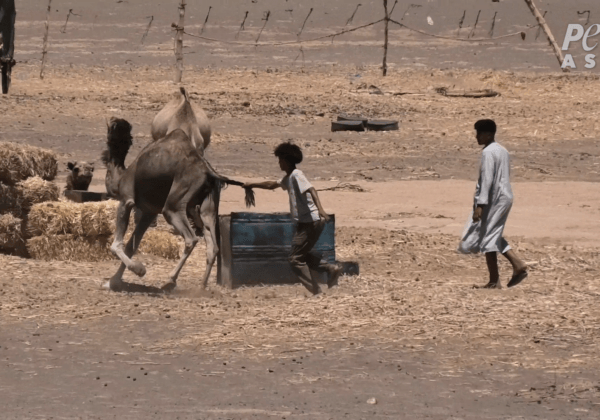
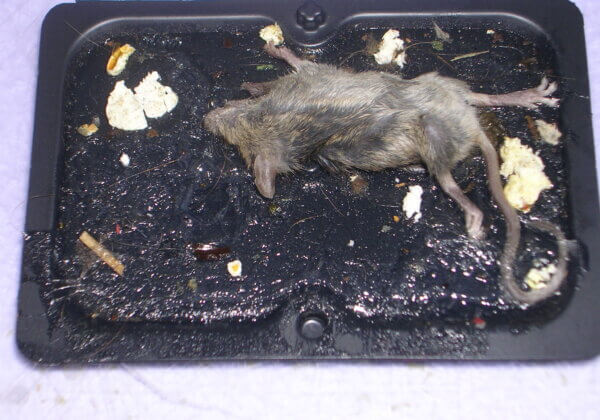
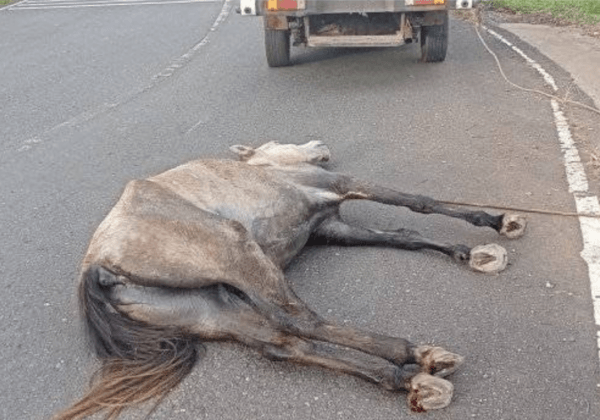
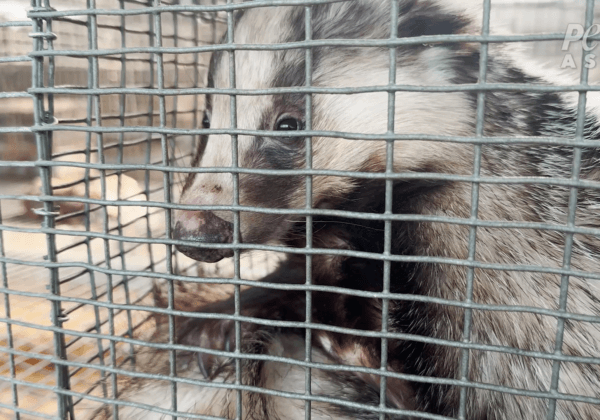
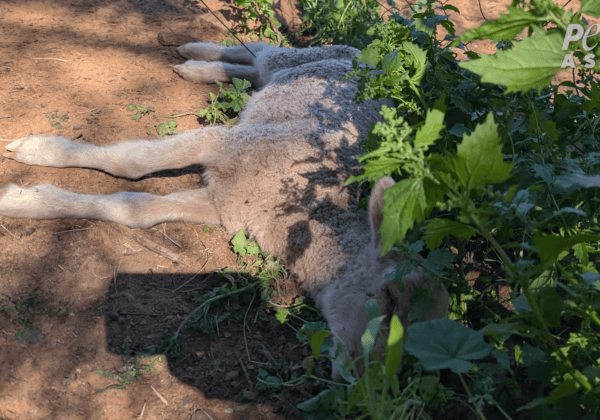
Here are a few images that highlight some of PETA’s work in Thailand, including our advocacy efforts to push for the passage of the Cruelty Prevention and Welfare of Animal Act, B.E. 2557 (2014).
Jason Baker is PETA Asia’s senior vice president.