
Carrefour Commits to No Longer Selling Frog Legs From Indonesia After Chilling PETA Investigation
Jakarta – Global supermarket giant Carrefour, which suspended its purchase of frog legs after a PETA investigation, has now committed to cutting ties with its supplier in Indonesia and ending its purchase of frog legs from the country. The news comes after PETA’s shocking investigation revealing that frogs are butchered alive there so that their legs can be sold in French supermarkets, including Carrefour. This decision follows more than 90,000 people taking action for frogs by joining PETA entities around the world in writing to Carrefour Group.
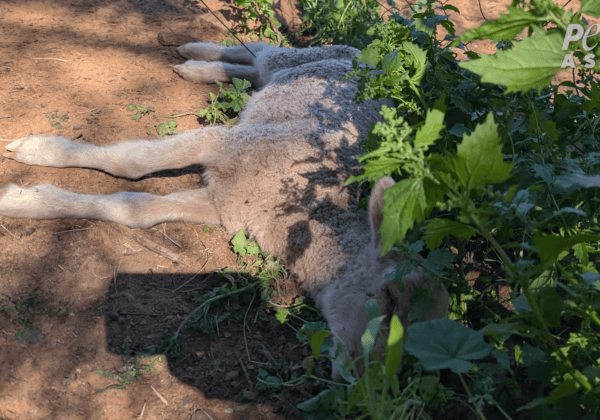
A PETA investigation showed workers capturing frogs in their natural habitat and stuffing them into sealed bags, where they slowly suffocated as they tried to escape. Workers then cut off frogs’ heads and legs – directly on the ground or on chopping boards stained with blood – and skinned them, sometimes while they were still alive and conscious.
Indonesia is one of the world’s leading exporters of frog legs and the largest exporter of frogs to France. Every year, hundreds of millions of frog legs are shipped from Indonesia to distributors in the EU – nearly 322 tonnes were imported between March and May of 2023 alone – and end up in French restaurants and supermarkets.
PETA investigators visited seven frog-meat operations in Indonesia and discovered that live frogs are kept in cramped sacks, sometimes for as long as two days. One worker who was sorting through the captured frogs slammed the live ones onto the ground and admitted that she didn’t want to take the time to separate the living frogs from the dead ones. Other workers used knives to dismember frogs’ heads and feet – some were hacked at repeatedly, while other frogs weren’t fully decapitated before workers ripped off their skin. Investigators also recorded that frogs’ mouths continued to open and close after decapitation and that their headless bodies were still jumping or moving minutes later.
The two species of frogs caught by workers – the fanged river frog and the crab-eating frog – are both experiencing population declines. Although it is not permitted to capture the fanged river frog in nature, PETA Asia points out that Indonesian suppliers deliberately mislabel and export the species. According to Eurostat, the EU imported an estimated 35,000 tonnes of frogs’ legs between 2010 and 2022, which is equal to about 703 million to 1.75 billion frogs.
PETA notes that even when they come from other countries, including France, frogs used for the frog-meat industry are kept in a state of lethargy in a cold room or water basin between 0 and 4°C before being decapitated alive, sometimes while fully conscious.
PETA Asia—whose motto reads, in part, that “animals are not ours to eat or abuse in any other way”—opposes speciesism, a human-supremacist worldview. For more information, please visit PETAAsia.com or follow the group on X, Facebook, or Instagram.
#