PETA Exposes Sick, Injured, and Dying Civet Cats Caged in Filth for Coffee Sold in Taiwan
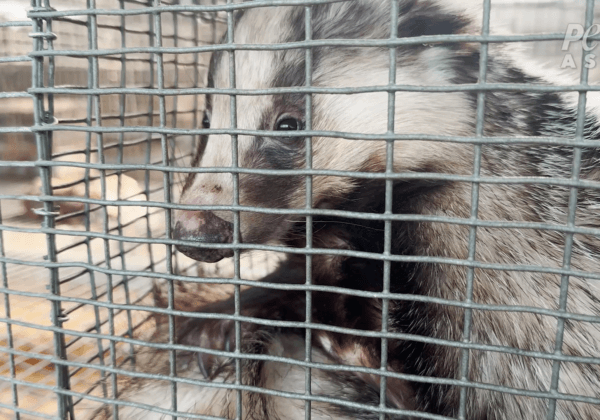
Taipei — A new PETA investigation reveals sick, suffering Asian palm civet cats with bloody, open wounds languishing inside tiny outdoor cages encrusted with their own feces on farms in Java that produce kopi luwak—a coffee sourced from the animals’ excrement—that is sold in Taiwan, including in cafés (, Xiangsilishe and Nanmay Coffee) and in online shops, where it is sold under Golden Malabar and other brands. Undercover footage shows that one farmer even fed coffee cherries to caged, illegally held binturongs—an animal red-listed as “vulnerable” on the International Union for Conservation of Nature Red List of Threatened Species—and that the excreted beans were fraudulently labeled and sold as civet coffee.
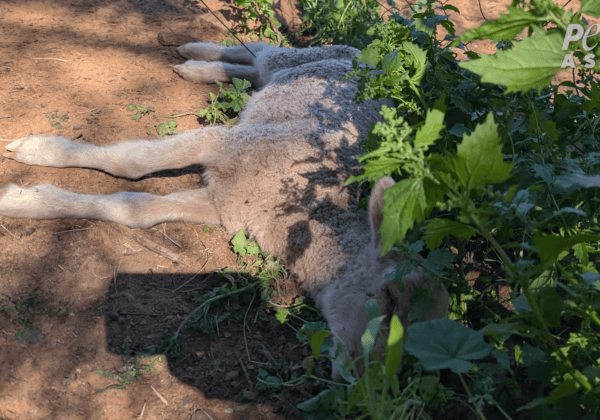
At a supplier farm that produces civet coffee for Golden Malabar, a PETA investigator found one critically ill civet cat, who was too weak to even stand, lying motionless in her squalid cage and alerted the farm owner—who said they wanted to “throw (the animal) away.” The investigator rushed the animal to a veterinary clinic, but despite intensive care, the ailing civet cat could not be saved. Many of the malnourished animals had lost enormous patches of fur, suffered from parasitic infestations, and had painful, gaping wounds, while one had gone partially blind—but they were all still being used for kopi luwak production. Several civet cats were seen incessantly pacing and spinning inside their barren cages—signs of extreme psychological distress caused by the anguish and frustration of their intense confinement.
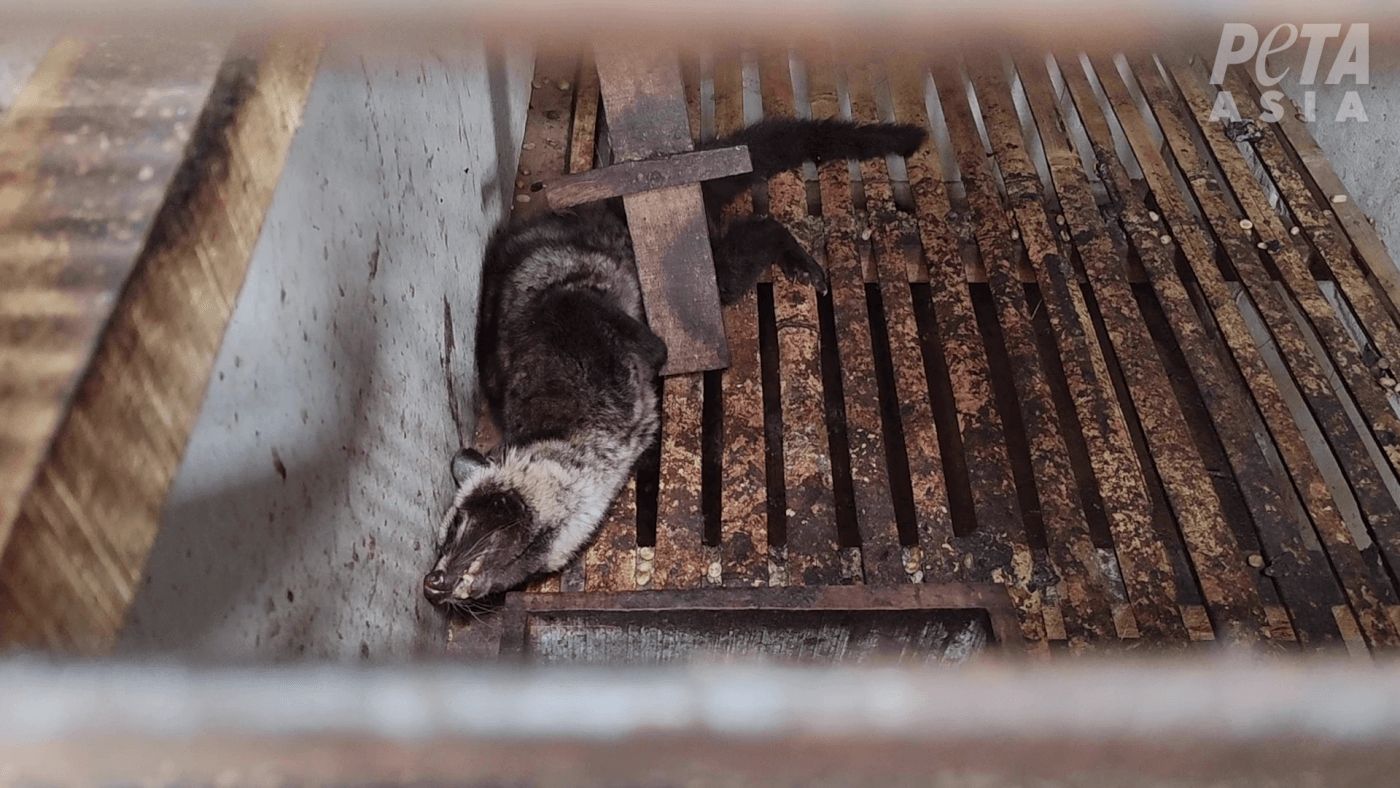
Credit: PETA
Indonesia is the world’s top producer of kopi luwak. While kopi luwak is often advertised as “wild-sourced,” farmers have admitted that it would be nearly impossible to produce exclusively wild-sourced civet coffee and that the industry knowingly obtains sham certifications or mislabels coffee from captive animals to deceive consumers and retailers. The industry also builds “educational” facilities with larger cages open to the public to mislead consumers about the animals’ suffering. One farm worker even told PETA’s investigator, “We label this as wild because even though the animals are caged now, they came from the wild.”
“Extreme suffering runs rampant in the kopi luwak industry, as civet cats and even illegally captured binturongs are caged in filth, misery, and pain and left to go insane if they don’t die first,” says PETA Senior Vice President Jason Baker. “PETA is urging consumers in Taiwan to take a stand against this abhorrent cruelty by never buying kopi luwak.”
Despite being a protected species under the Convention on International Trade in Endangered Species of Wild Fauna and Flora, Asian palm civet cats are typically captured when they’re just 6 months old and given almost nothing to eat except coffee berries to produce kopi luwak. PETA notes that when animals are caged in their own waste and their immune system is suppressed because of stress, breeding grounds for zoonotic diseases are created. SARS, which has an estimated human fatality rate of around 15%, has spread from civet cats to humans.
PETA Asia—whose motto reads, in part, that “animals are not ours to abuse in any way”—opposes speciesism, a human-supremacist worldview. For more information about PETA Asia’s investigative newsgathering and reporting, please visit PETAAsia.com or follow the group on X, Facebook, or Instagram.
#