
PETA Urges JICA, Japanese Financier of Grand Egyptian Museum, to Help End Rampant Abuse of Horses and Camels in Giza
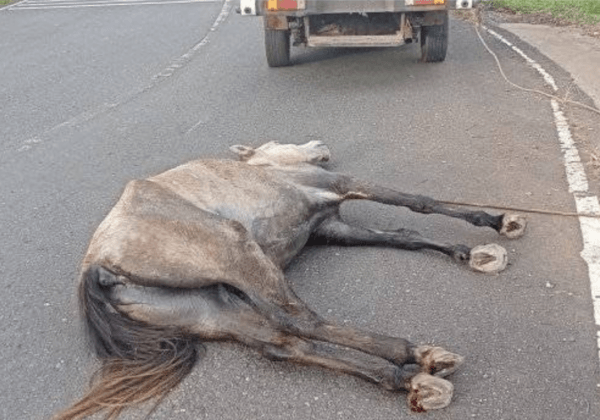
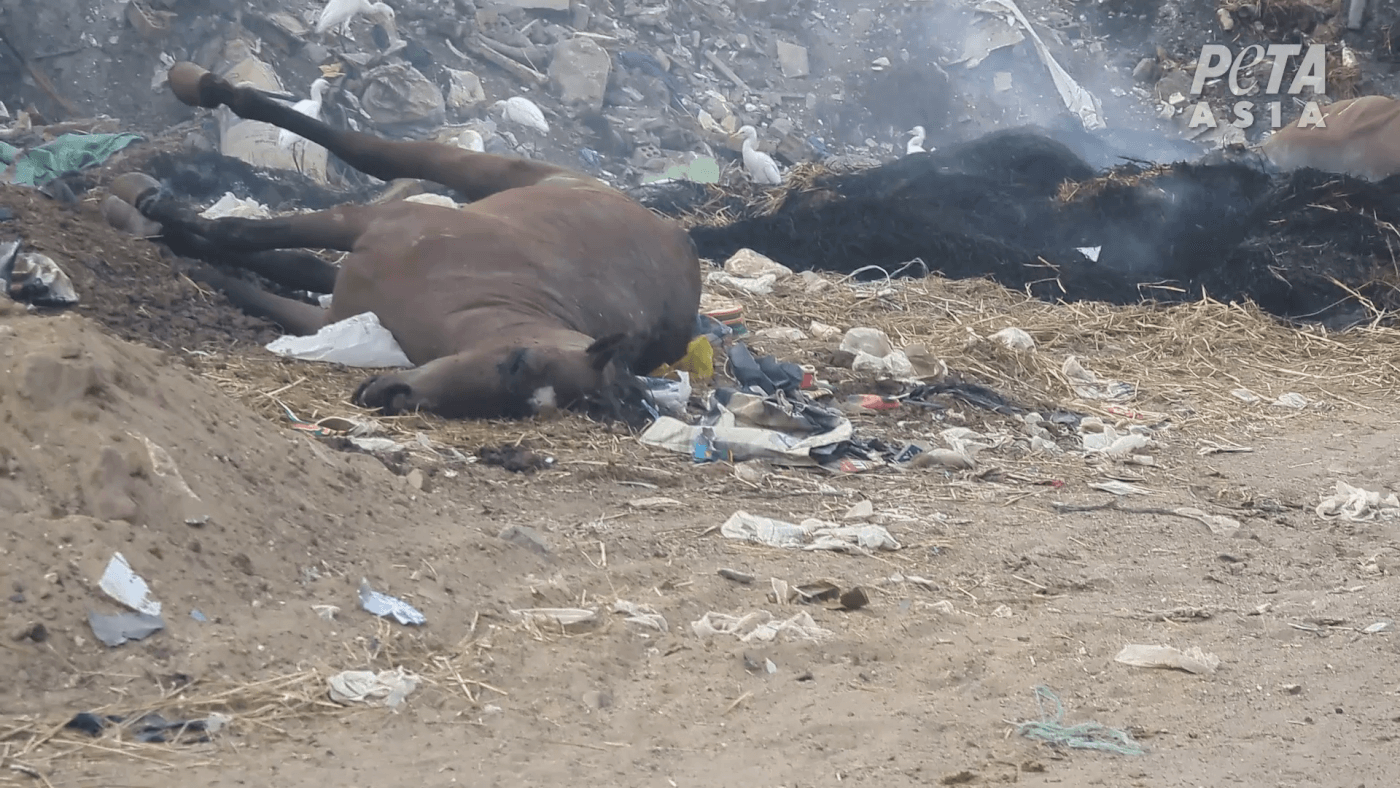
Tokyo— Ahead of the official opening of the new Grand Egyptian Museum on November 1, PETA sent a letter to Dr. Tanaka Akihiko, President of the Japan International Cooperation Agency (JICA)—which provided more than ¥84 billion in loans to help finance the museum’s construction—asking him to urge Egyptian authorities to ban camel rides and horse-drawn carriages at the Giza pyramids. In the letter, PETA alerts Akihiko to damning new footage of dead horses—used to give tourists rides through Egypt’s historic sites—piled up in a secret graveyard less than a mile away from the new museum, and asks him to require that a portion of the museum’s profits be allocated to create a sanctuary that would relocate and retire the animals on the Giza plateau.
Credit: PETA
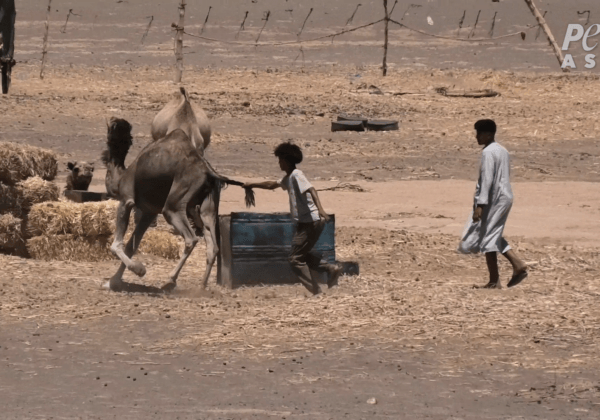
As PETA’s video reveals, horses and camels forced to give rides near the pyramids are dying in record numbers, with many severely emaciated and suffering from untreated wounds. Over the past six years, PETA has documented that starving horses and camels are punched, kicked, and whipped and that they are forced to carry people in blistering heat without shade or adequate water and then left for dead or sent to slaughter when they are too old, sick, or injured to be profitable.
In the letter, PETA Vice President Jason Baker points out that the museum JICA helped fund will draw even more tourists to the area—inevitably increasing the cruelty to animals used for rides—and urges JICA’s president to “ensure that the area surrounding the museum reflects the same values of empathy, dignity, and respect that it represents in Japan.”
“Anything less would risk appearing indifferent to cruelty that is happening in plain sight—and would associate Japan’s name with suffering rather than progress,” writes Baker.
“Exhausted animals are literally being worked to death at the Pyramids of Giza, and their lifeless bodies are being dumped in piles of trash,” says Baker. “PETA is calling on JICA to shun these shameful rides and urge Egyptian authorities to ban the blight of animal abuse at the pyramids.”
Horses are herd animals who can feel stressed if forced to live alone and they mourn each other’s deaths, while camels are known to greet one another by blowing air on each other’s faces. After hearing from PETA entities, more than 50 tour operators and travel companies—including Airbnb, Marriott, British Airways Holidays, Abercrombie & Kent Travel Group, and TCS World Travel—have stopped offering camel rides in front of the Giza pyramids. PETA encourages its members and supporters to call on Egyptian officials to end this cruelty and impose a ban on using horses and camels to entertain and transport visitors at the pyramids and other tourist sites.
PETA—whose motto reads, in part, that “animals are not ours to use for entertainment or abuse in any other way”—points out that Every Animal Is Someone. For more information, please visit PETAAsia.com or follow PETA on X, Facebook, or Instagram.
#