
Earthquake Preparedness: How to Keep Animals Safe During Japan’s Next Disaster
Monday’s 7.4 magnitude earthquake off northeastern Japan serves as a reminder that residents in seismically active regions need emergency plans that include their animal companions. With authorities warning of possible aftershocks and Japan‘s history of major earthquakes and tsunamis, animal welfare experts are urging people to prepare now—before the next crisis strikes.
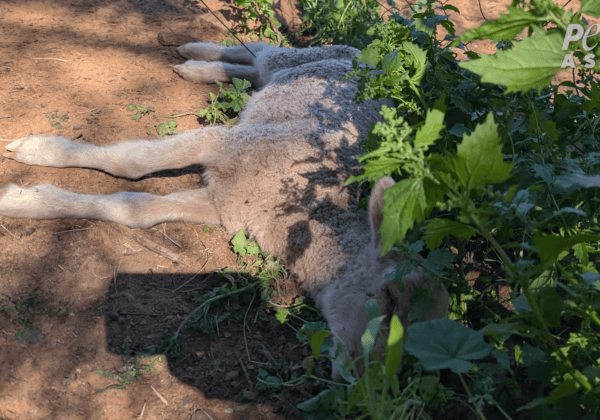
PETA entities have rescued thousands of animals from natural disasters worldwide, from hurricanes and floods to the 2024 Taal Volcano eruption in the Philippines, where teams evacuated hundreds of dogs, cats, horses, and other animals trapped on the island. Experience from these operations shows that animals left behind during evacuations often perish, become separated from their families, or suffer from lack of food, water, and medical care in the chaotic aftermath.
The 2011 Tōhoku earthquake and tsunami killed more than 22,000 people and left countless animals stranded, injured, or separated from their guardians. Many animals were found chained or confined in areas hit by flooding, unable to escape. Others were left behind when evacuation centers refused to accept them. These tragedies can be prevented with advance planning.
Essential Steps for Animal Emergency Preparedness:
Before Disaster Strikes:
- Create an emergency kit containing at least one week’s worth of food, water, medications, medical records, and vaccination documents
- Keep carriers, leashes, and crates readily accessible—animals may panic during earthquakes and flee if not secured
- Have recent photos of your animals for identification if separated
- Microchip and tag all animals with current contact information
- Identify pet-friendly evacuation centers or hotels in advance—many shelters do not accept animals
- Know your neighbors—establish a buddy system to check on each other’s animals if separated during work hours
During an Earthquake or Tsunami:
- Never leave animals chained, caged, or confined where they cannot escape rising waters or falling debris
- Bring animals indoors immediately if tsunami warnings are issued
- Keep dogs leashed and cats in carriers—familiar animals may behave unpredictably during disasters
- Evacuate early—don’t wait until roads become impassable
- If you must shelter in place, bring animals to the highest, safest floor and keep them secured
After the Disaster:
- Keep animals leashed or confined—familiar scents and landmarks may be destroyed, causing disorientation
- Watch for hazards like broken glass, contaminated water, downed power lines, and displaced wildlife
- Check for injuries—animals may hide pain or trauma
- Photograph any damage for insurance or aid applications
“Japan‘s location makes earthquakes and tsunamis an ongoing reality, not a rare event,” says Jason Baker, PETA Asia president. “The time to prepare is now, before the next disaster strikes. Having a plan means the difference between a family staying together or losing their beloved animal companions forever. PETA urges everyone in seismically active regions to treat their animals as they would any other family member—never leave them behind.”
For more information on disaster preparedness for animals, visit www.petaasia.com.
#