
Hell on Wheels: PETA’s ‘Chicken Truck’ Rolls Into Malaysia
PETA’s “Hell on Wheels” chicken truck has hit the road in Malaysia for the first time to expose the real cost of that carton of eggs and Satay Ayam. This mobile billboard of truth is cruising through Petaling Jaya and Kuala Lumpur with a gut-wrenching message: Chickens are social, sensitive animals who suffer immensely in the meat and egg industries. PETA’s rolling protest isn’t just hard to miss—it’s impossible to ignore.
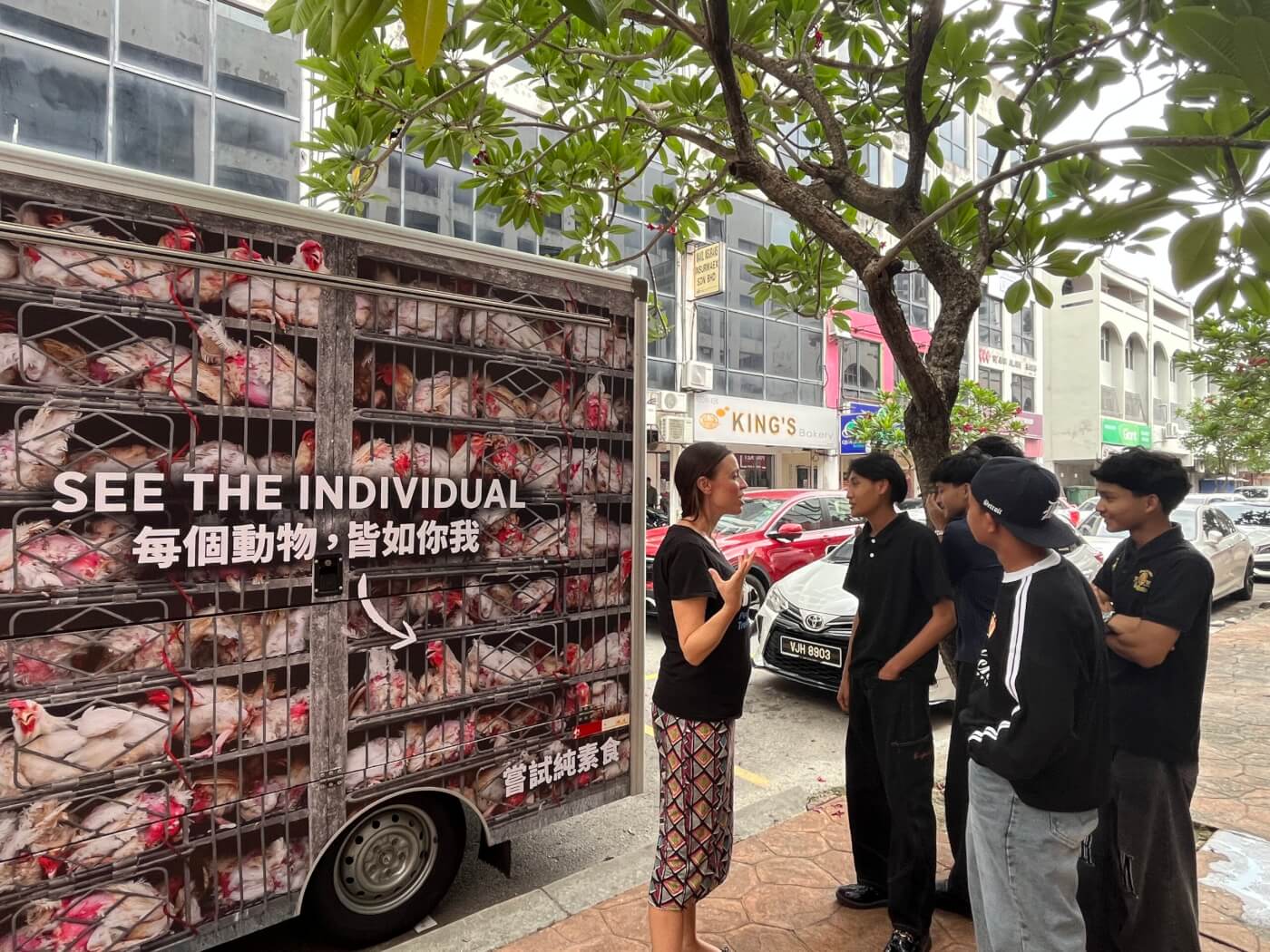
The ”Hell on Wheels” chicken truck is making appearances near various food markets, restaurants, universities and busy downtown areas to remind everyone that chickens are not ours to use for food. The large truck is plastered with shocking images of chickens bound for slaughter, and it blares the sounds of chickens in distress as well as a subliminal message telling people to “go vegan.” This interactive, mobile installation is an urgent call for humans everywhere to give a cluck about chickens, arguably the most abused animals on the planet.
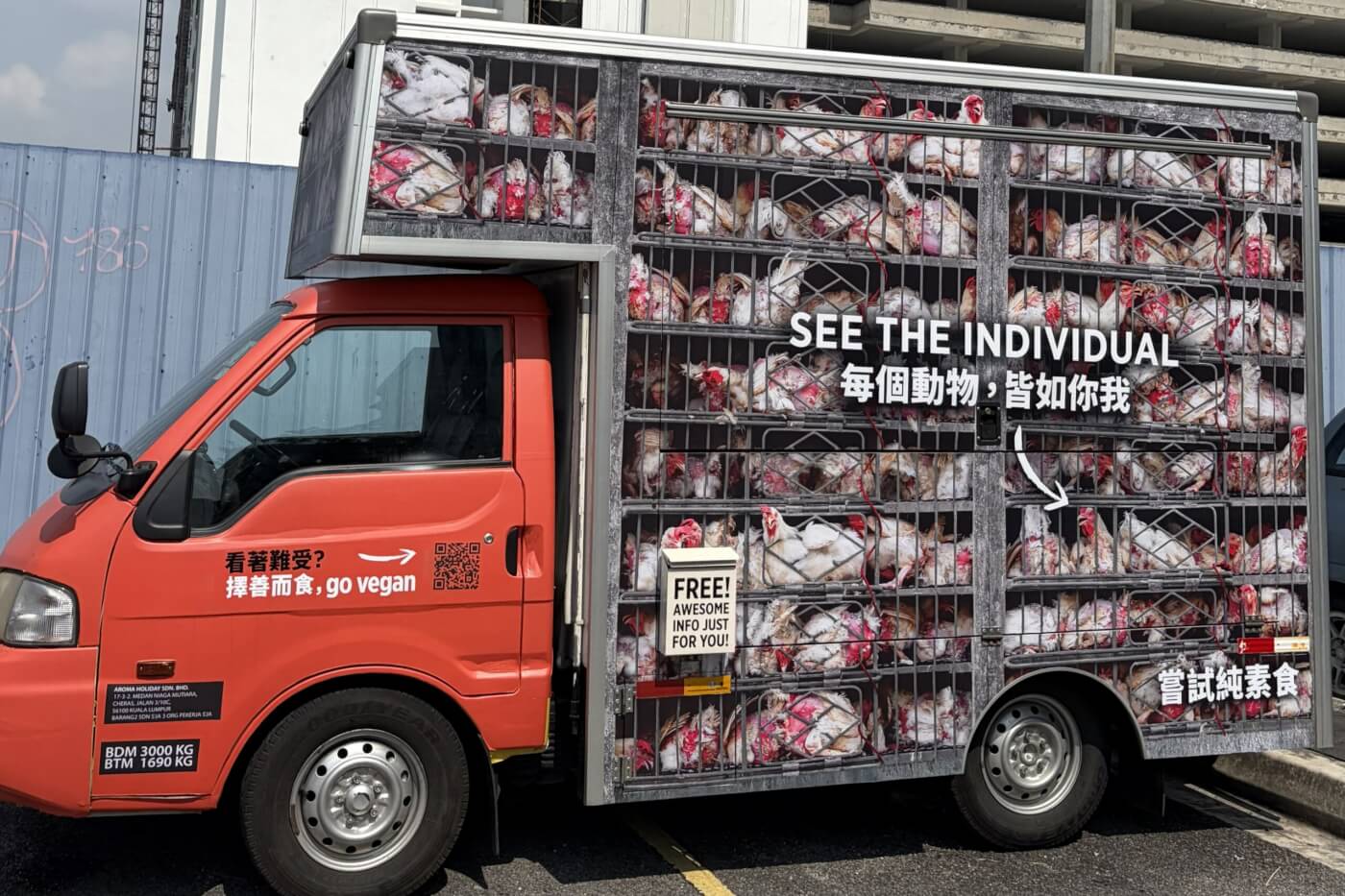
The truck is packed with free leaflets that are full of information about going vegan: the single best thing you can do for chickens, other animals, and the environment. The truck also sports a QR code that people can scan with their phone to learn more.
See ‘Hell on Wheels’ On Tour Near You!
| City | Date |
| Petaling Jaya | March 30th, 2026 |
| Petaling Jaya | March 31st, 2026 |
| Petaling Jaya | April 1st, 2026 |
| Petaling Jaya | April 2nd, 2026 |
| Kuala Lumpur | April 3rd, 2026 |
| Kuala Lumpur | April 4th, 2026 |
| Kuala Lumpur | April 6th, 2026 |
| Kuala Lumpur | April 7th, 2026 |
| Kuala Lumpur | April 8th, 2026 |
| Kuala Lumpur | April 9th, 2026 |
| Kuala Lumpur | April 10th, 2026 |
| Kuala Lumpur | April 11th, 2026 |

PETA’s Groundbreaking ‘Hell on Wheels’ Chicken Truck Serves Up Serious Food for Thought
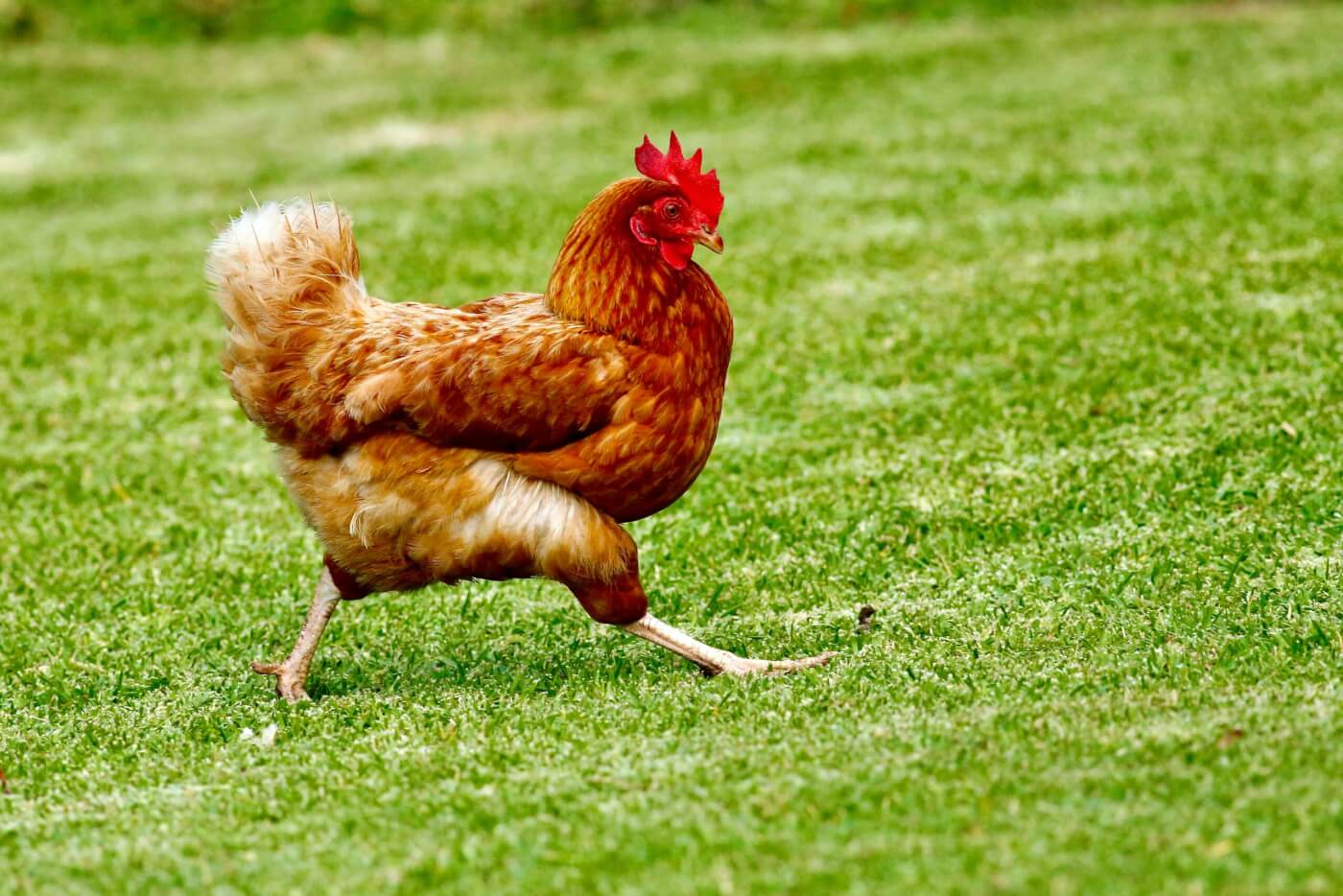
Chickens are gentle, curious individuals with unique personalities and complex relationships. They talk to their chicks while they’re still inside the shell and have unique calls to warn others of danger coming from the land or air. They comprehend cause-and-effect relationships and understand that objects still exist even after they’ve been hidden from view. They can experience love, joy, sadness, and pain. But from the moment they hatch, billions of chickens raised for food each year suffer enormously—all just for a fleeting taste of flesh.

Workers slam chickens into small crates and truck them to slaughterhouses through all weather extremes. Hundreds of millions sustain broken wings and legs from rough handling, and millions die from the stress of the journey. At slaughterhouses, workers force their legs into shackles before their throats are cut. Almost all chickens are still conscious when their throats are cut, and many are literally scalded to death in feather-removal tanks after missing the throat cutter.
Chickens Pay the Highest Price for Bird Flu
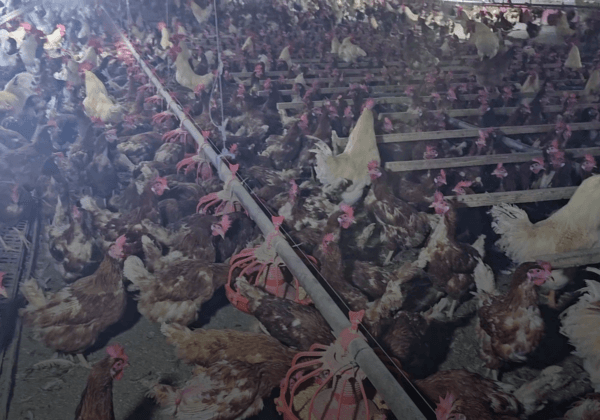
The global bird flu crisis is a harrowing reminder that egg farms are filthy breeding grounds for disease. From birth to slaughter, hens are surrounded by their own waste and breathe ammonia-laden air that burns their lungs and damages their immune systems. These conditions allow viruses like bird flu to spread like wildfire.
Consumers aren’t footing the cost for this catastrophe—chickens are. Recent outbreaks of bird flu in Cambodia, Japan, the Philippines, South Korea, and Taiwan have led to farmers killing millions of chickens. In Japan, 5.4 million chickens and other birds were culled in January 2025 alone.
Farms often mass slaughter them in horrific ways: Some companies use water-based foam to slowly smother the birds to death, a terrifying process that can take up to 14 minutes. Egg farms frequently gas the birds, and others resort to “ventilation shutdown” (VSD), a cruel method that cuts off airflow and raises the temperature to as high as 120 degrees—essentially baking the birds alive.
Many companies market flesh or eggs with bogus “certified humane” labels, but these deceptive labels mean nothing to the birds who suffer on farms and at slaughterhouses. The only truly humane option is to go vegan.


Protecting Chickens and Eating Delicious Food Go Hand-in-Hand
Birds’ eggs and flesh belongs to them. Going vegan is a win: You can spare nearly 200 animals every year, reduce your carbon footprint, and boost your own health. If you haven’t made the compassionate switch yet, don’t wait another second—get recipes and resources for a cruelty-free lifestyle: